
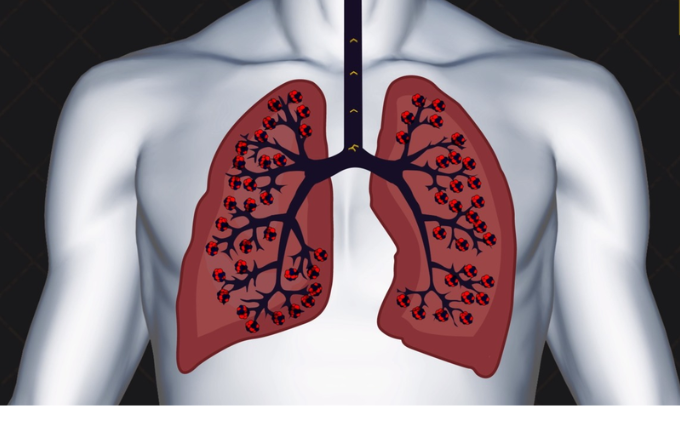
In recent times, the term “ozdikenosis” has started appearing across online searches and discussions, often linked with alarming claims about it being a deadly or fatal condition. This has led many people to search phrases like why does ozdikenosis kill you, trying to understand whether it is a real disease, a medical emergency, or something else entirely.
However, when we carefully examine medical literature and verified health databases, a very important fact becomes clear: ozdikenosis is not a recognized medical condition. There is no official diagnosis, clinical record, or scientific research describing a disease by this name.
So why does this term exist, and why do people believe it can be fatal? Let’s break it down in simple, human terms.
Understanding the Term “Ozdikenosis”
The word “ozdikenosis” does not appear in any established medical taxonomy such as:
- World Health Organization (WHO) disease classifications
- International Classification of Diseases (ICD)
- Peer-reviewed medical journals
- Clinical pathology textbooks
This strongly suggests that the term is either:
- A fictional or invented word
- A misinterpretation of another medical term
- A viral internet concept with no scientific backing
In many cases online, words like this spread through social media, gaming communities, or fictional storytelling, and later get mistaken for real medical conditions.
Why Do People Search Why Does Ozdikenosis Kill You?
Search engines show that people are highly concerned about this term because it is often associated with phrases like “fatal disease,” “rapid death,” or “untreatable condition.”
The word why does ozdikenosis kill you likely comes from confusion caused by:
1. Internet misinformation
Sometimes fictional diseases from games, stories, or creepypasta-style content are taken seriously when shared without context.
2. Misheard or misspelled medical terms
People may have confused it with real conditions that sound similar. However, no medically valid term closely matches “ozdikenosis.”
3. AI-generated or fabricated content
With the rise of AI tools and content generation, fictional terms can sometimes appear in articles or posts that sound realistic but are not scientifically verified.
Does Ozdikenosis Actually Exist?
To be clear and medically accurate:
There is no scientific evidence that ozdikenosis exists as a disease.
Doctors cannot diagnose it, hospitals do not treat it, and researchers do not study it. This is a crucial point because real fatal diseases always have:
- Documented symptoms
- Known causes
- Diagnostic criteria
- Clinical research
- Treatment guidelines
Ozdikenosis has none of these.
Why Do People Think It Is Fatal?
Even though ozdikenosis is not real, the idea that it is “fatal” may come from how it is described online. Fictional health terms are often made to sound serious or dangerous for dramatic effect.
Here are some reasons why it may appear deadly:
1. Fictional storytelling effect
Writers or content creators sometimes design imaginary diseases that “always lead to death” to create fear or suspense.
2. Misinterpretation of symptoms
Some posts may describe vague symptoms like fatigue, weakness, or organ failure without any real medical context, making it seem like a severe illness.
3. Viral misinformation loops
Once a term gains attention, others repeat it without verifying it, making it appear more legitimate than it really is.
Why Does “Ozdikenosis Kill You” Make No Medical Sense
From a medical perspective, the phrase itself is problematic because:
- There is no known pathogen or biological mechanism linked to it
- No epidemiological data exists (no outbreaks, no cases, no studies)
- No confirmed symptoms are associated with it in clinical medicine
In real medicine, death occurs due to identifiable causes such as:
- Heart disease
- Cancer
- Infections
- Organ failure
- Genetic disorders
Since ozdikenosis is not medically defined, the idea that it “kills you” is not supported by science.
The Importance of Verifying Health Information
The rise of strange medical terms online highlights an important issue: not all health information on the internet is real.
Before believing any disease-related claim, it is important to check:
- WHO or CDC websites
- Medical journals or hospital sources
- Verified healthcare professionals
- Established medical encyclopedias
If a condition cannot be found in these sources, it is likely not medically valid.
Could Ozdikenosis Be a Misunderstood Term?
Sometimes, unfamiliar words online turn out to be:
- Typing errors
- AI-generated text artifacts
- Fictional concepts from games or stories
- Misheard versions of real diseases
However, there is currently no evidence linking “ozdikenosis” to any real condition or known medical terminology.
Psychological Impact of Viral Disease Terms
Even though ozdikenosis is not real, reading about unknown fatal-sounding conditions can cause:
- Anxiety
- Health fear or hypochondria
- Confusion about real medical symptoms
- Unnecessary panic
This is why it is important to approach such terms calmly and verify them before assuming they are real.
Why the Internet Spreads Fake Disease Names
There are several reasons why fictional medical terms appear online:
Entertainment and storytelling
Some content creators invent diseases for horror stories or fictional universes.
SEO manipulation
Some websites create unusual keywords to attract search traffic.
Misinformation loops
Once a term appears, others repeat it without checking facts.
How to Think About “Ozdikenosis” Logically
If we analyze it logically:
- No medical database recognizes it
- No scientific studies exist
- No doctors diagnose it
- No treatments exist
- No confirmed biological cause exists
Therefore, it is best understood as a non-medical or fictional term, not a real disease.
Conclusion
To summarize clearly:
- Ozdikenosis is not a real medical condition.
- It does not appear in scientific or clinical records.
- The idea that it is fatal is not supported by medical evidence.
- Searches like “why does ozdikenosis kill you” come from misinformation, confusion, or fictional content.
In reality, there is no disease to diagnose, treat, or study under this name. While the internet can sometimes make fictional terms seem real, it is always important to rely on verified medical sources before drawing conclusions about health-related topics.
Understanding the difference between real and fictional medical information helps prevent unnecessary fear and ensures that people focus on genuine health concerns backed by science.
